What does active shooter security training and consulting include?
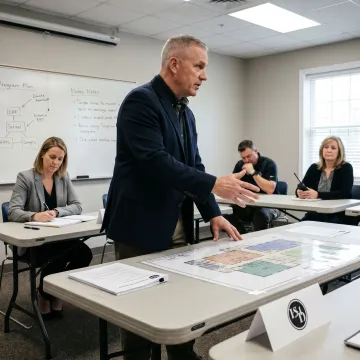
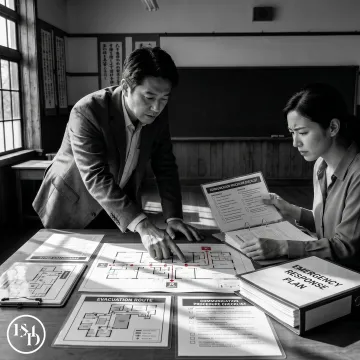
Active shooter security training and consulting typically includes facility risk review, threat scenario modeling, emergency procedure evaluation, access control and surveillance review, communication planning, and practical recommendations for preparedness. EMD’s approach also considers human behavior, operational workflows, and physical design so organizations can improve prevention, response, and recovery planning in a realistic and sustainable way.
Who should consider active shooter preparedness consulting?
Preparedness consulting is valuable for organizations responsible for public access, large populations, sensitive facilities, or high-visibility locations. EMD works with higher education institutions, K–12 schools, houses of worship, museums, major historical landmarks, transit authorities, and corporate campuses. These environments require security strategies that reduce risk while preserving accessibility, mission, and daily operations.
How does EMD assess active assailant risk?
EMD uses holistic, AI-augmented vulnerability and risk assessments to examine physical infrastructure, digital systems, operational processes, and behavioral factors together. The team models real-world threat scenarios, including active assailant events, to identify gaps between systems and predict how vulnerabilities could be exploited. The result is a clearer roadmap for practical improvements.
Can training recommendations be tailored to our facility type?
Yes. EMD’s sector-specific security design accounts for the unique needs of each environment. A K–12 school, museum, house of worship, transit setting, or corporate campus will have different access patterns, visitor expectations, communication needs, and operational constraints. Recommendations are built to strengthen safety while respecting the purpose and culture of the facility.
Does EMD help organizations pay for security improvements?
EMD supports eligible organizations with federal and state security grant applications, including programs such as the Nonprofit Security Grant Program and the COPS School Violence Prevention Program. Services may include vulnerability assessments, application documents, state worksheets, narrative development, submission guidance, and follow-up support to help organizations pursue compliant, competitive funding.
How are consulting appointments scheduled?
EMD’s consulting services are available by appointment. This allows the team to review the organization’s setting, goals, urgency, and potential scope before recommending the right next step. For litigation support, EMD also offers a complimentary consultation to review case details and confirm the absence of conflicts before engagement.
What makes EMD’s approach different from a standard security review?
Many standard reviews focus on visible physical conditions or isolated technology systems. EMD evaluates the full security ecosystem, including infrastructure, platforms, processes, and people. By layering AI-driven analysis with human expertise, EMD can identify gaps between systems, anticipate future threat scenarios, and design solutions that are resilient rather than merely reactive.
Can EMD support implementation after recommendations are delivered?
Yes. EMD can assist with the grant management and administration process after funding is awarded, including vendor identification, budget planning, paperwork, Environmental and Historic Preservation submissions, procurement support, and phase updates. This structured approach helps organizations move from planning to implementation while maintaining compliance and transparency.